In today’s dynamic and often unpredictable business landscape, leaders are faced with the immense challenge of driving results while fostering a culture that supports innovation, teamwork, and resilience. Amy Bernard, Senior Manager of Continuous Improvement at Trinchero Family Estates (TFE), shared her expertise during a recent presentation, offering actionable insights on how leaders can leverage lean principles to transform organizational culture and achieve sustainable success.
Drawing from her extensive experience in both the military and the wine industry, Amy explored the interplay between leadership, cultural transformation, and operational excellence. Below, we break down her key strategies and lessons into actionable steps for leaders seeking to elevate their organizations.
Leadership as a Catalyst for Cultural Transformation
Amy Bernard believes that the essence of leadership lies not just in achieving results but in actively creating and managing a thriving culture. She began her talk with a striking quote by Edgar Schein:
"The only thing of real importance that leaders do is to create and manage culture. If you do not manage culture, it manages you."
This insight underscores the often-overlooked truth that culture exists whether or not it is consciously shaped. As a leader, your influence determines whether this culture becomes a force for positive change or a barrier to progress.
Reflecting on Leadership Influences
Amy encouraged leaders to reflect on the pivotal moments and individuals that shaped their own leadership journey. For her, the disciplined environment of competitive swimming and the example set by a former swim coach played a formative role. This coach’s commanding presence and ability to inspire respect ultimately led Amy and several teammates to join the military – a testament to the profound and often unintended impact that leaders can have.
The takeaway? Leadership is not just about immediate results; it’s about planting seeds of inspiration and influence that can lead to long-term transformation in others.
sbb-itb-5c9cdaf
Lessons from the Military: Leadership Under Pressure
Amy’s 15 years in the Marine Corps as a logistics officer equipped her with invaluable lessons on leading under pressure – skills she now applies in the corporate world. Key takeaways from her military experience include:
- Decision-Making Under Pressure: Even in high-stakes environments, training and preparation enable leaders to guide teams through uncertainty.
- Building Trust through Recognition and Accountability: Recognizing achievements and holding individuals accountable fosters trust and alignment.
- Respect and Influence: Earning respect through integrity and consistent actions is more impactful than commanding authority.
- Lean Tools for Morale and Efficiency: Lean tools not only improve productivity but also boost team morale by creating clarity and structure.
Amy highlighted that while the wine industry may not carry life-or-death stakes, the current economic pressures demand similar qualities of resilience and adaptability from leaders. These principles, she argued, are universally applicable across industries.
The Intersection of Culture and Lean Leadership
While a good workplace culture may include camaraderie and employee satisfaction, Amy argued that it is not synonymous with lean leadership culture. The latter requires deliberate systems, clear communication, and processes that empower decision-making at all levels of the organization.
Characteristics of a Positive Culture vs. Lean Leadership Culture
- Good Social Culture:
- Employees enjoy working with one another.
- Skilled, passionate workers are committed to their roles.
- Potential gaps include siloed decision-making and resistance to change.
- Lean Leadership Culture:
- Leaders are engaged and actively build trust.
- Decision-making is empowered at all levels, not confined to the top.
- Transparent systems and clear communication drive alignment and adaptability.
By transitioning from a "make it happen" mindset – where employees heroically overcome inefficiencies – to a lean leadership culture, organizations can achieve not only operational excellence but also a sense of shared purpose and sustainability.
The Trinchero Way (TFE) Transformation: A Blueprint for Change
At Trinchero Family Estates, Amy has spearheaded what she calls the Trinchero Way Transformation. This initiative seeks to shift decision-making and ownership from a top-down model to one where frontline employees are engaged and empowered. Here’s how TFE is achieving this transformation:
1. Clear Roadmaps and Goals
The transformation begins with a well-defined roadmap that aligns company-wide goals with departmental and individual objectives. Using tools like Hoshin Kanri for strategy deployment ensures measurable progress at every level.
2. Principles Campaign with Shingo Framework
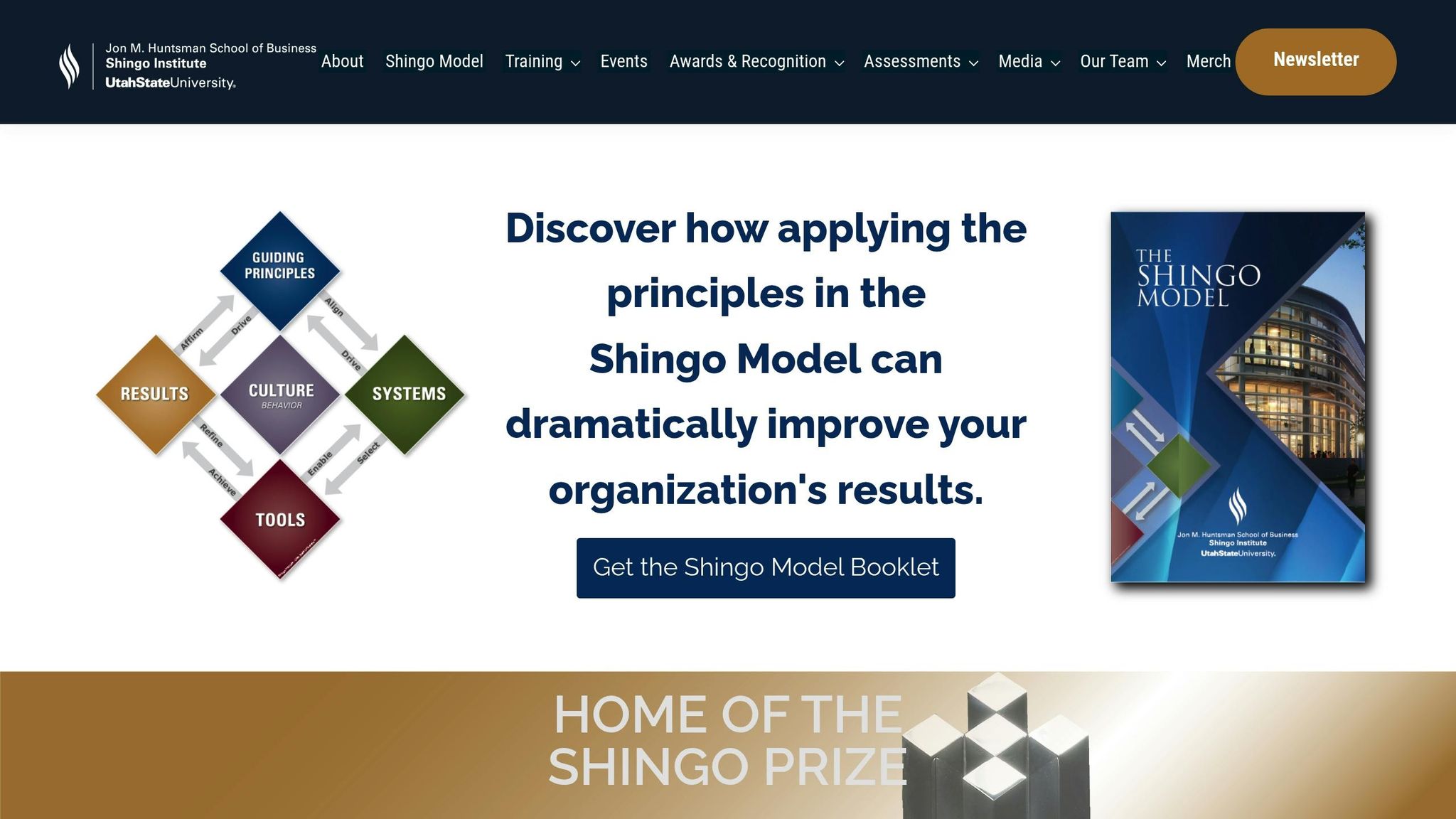
TFE incorporates the Shingo principles of operational excellence, focusing on the key behaviors (KBIs) that drive desired results. Departments are encouraged to define and practice behaviors that align with principles like respecting every individual and embracing continuous improvement.
3. Cross-Functional Alignment
A significant part of TFE’s transformation involves aligning teams along the end-to-end supply chain. This ensures that critical handoffs, resources, and KPIs are clearly defined and understood across departments.
4. Continuous Improvement Training
To sustain change, TFE has developed a tiered training program for employees at all levels, focusing on lean tools, problem-solving, and leadership development. This training is complemented by visual management tools and project dashboards that track progress on productivity initiatives.
5. Empowering Decisions at All Levels
One of the most transformative aspects of TFE’s approach is empowering frontline employees to take ownership of decisions. By fostering trust and equipping teams with the right tools, leaders create a culture where innovation and initiative thrive.
Key Takeaways
For leaders inspired by Amy Bernard’s presentation, here are the most critical insights and actionable steps:
- Culture Is Leadership’s Responsibility: Proactively shape your organization’s culture, or risk being shaped by it.
- Reflect on Your Influence: Your actions, even those you may consider small, can have a lasting impact on those you lead.
- Balance Trust and Accountability: Build trust through recognition and collaboration while holding teams accountable to agreed-upon goals.
- Invest in Continuous Improvement Training: Equip employees with the tools and knowledge they need to drive sustainable change.
- Empower Frontline Decision-Making: Lean leadership thrives when every team member feels ownership over their role and its outcomes.
- Use Visual Tools and Metrics: Dashboards, scorecards, and roadmaps provide clarity, transparency, and motivation.
- Adopt the Shingo Principles: Focus on key behaviors that align with principles like respect, continuous improvement, and transparency.
- Align Across Departments: Eliminate silos by fostering collaboration and shared understanding of goals and processes.
Final Thoughts: Lean Leadership as a Journey
Amy concluded her presentation with a candid reminder: transformation is not a linear process. At TFE, the journey toward a fully integrated lean leadership culture has involved trial and error, adjustments, and continuous learning. The key is to remain committed to the overarching vision while being flexible enough to adapt as you go.
Ultimately, lean leadership is about creating systems and cultures that empower people to do their best work while driving tangible results. Whether you’re leading a winery, a startup, or a large corporation, the principles Amy shared serve as a powerful framework for navigating change with both heart and excellence.
Source: "Leadership, Culture and The Trinchero Way Transformation" – Lean Global Network, YouTube, Nov 19, 2025 – https://www.youtube.com/watch?v=8mYhDahbwTU