






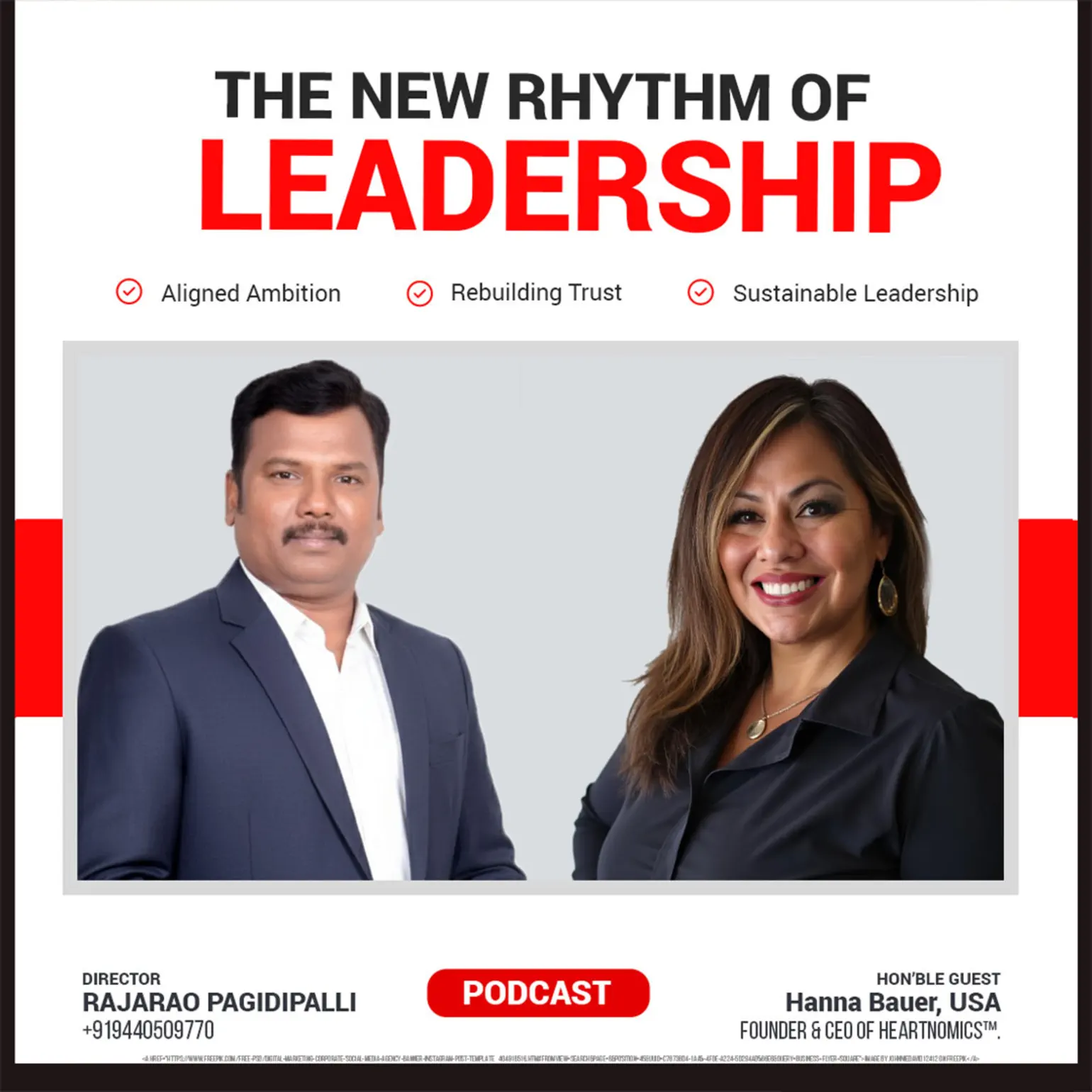









Most companies talk about their values, but few truly live by them. Here’s the problem: only 2 in 10 employees feel connected to their workplace culture, and just 1 in 10 HR leaders believe employees can recall their company’s core values. This disconnect leads to disengaged teams, inconsistent decisions, and a lack of purpose.
But when companies embed their values into everyday actions, the benefits are clear:
- Higher engagement: Employees feel connected when their personal values align with their work.
- Better performance: Teams make faster decisions and collaborate more effectively using shared principles.
- Stronger trust: Customers and employees trust companies that consistently act according to their stated values.
To make this happen, businesses must:
- Use values as a guide for decision-making.
- Incorporate them into team goals, workflows, and recognition systems.
- Teach values through onboarding, training, and mentorship.
- Measure alignment with surveys, audits, and customer feedback.
The goal? Transform values from abstract ideas into practical tools for success. It’s not easy, but with intentional effort, organizations can create workplaces where employees feel purpose-driven, teams perform better, and customers stay loyal.
How Company Values Drive Business Success
What Company Values Are and Why They Matter
Company values act as the backbone of an organization, shaping the way it operates, makes decisions, and interacts with others. Think of them as a moral compass, guiding everything from how conflicts are resolved to how teamwork flourishes.
These values define who you are as a company. They communicate what you stand for, what lines you won’t cross, and how others perceive you in the market. While your mission statement explains what you do and your vision outlines where you’re headed, your values focus on how you’ll get there.
For values to truly make an impact, they need to strike a balance between being specific enough to guide actions and broad enough to apply across various situations. Avoid corporate buzzwords – values should be simple, clear, and memorable. Most importantly, they should reflect the culture you genuinely want to build, not just what sounds good in a press release.
Why do values matter? Because they provide stability and direction in an ever-changing world. When employees encounter tough choices or unexpected challenges, well-defined values offer a clear framework for making decisions that align with the organization’s identity. This consistency builds trust – both within teams and with external partners.
On the flip side, organizations without clear values often face confusion and misalignment. Teams might pursue conflicting goals, or leaders might make decisions that leave employees questioning what truly matters. Clear, actionable values prevent this by setting firm behavioral expectations.
When these values are consistently practiced, they don’t just define the company – they drive tangible business results.
How Value Alignment Improves Performance
When company values are embedded into everyday operations, they become more than just words – they become a tool for measurable success. Organizations that live their values see improvements in areas like employee retention, customer satisfaction, and operational efficiency.
For employees, seeing their personal values reflected in the workplace fosters a sense of connection and purpose. This connection boosts engagement, encouraging individuals to excel in their roles, share innovative ideas, and stay with the company longer. The result? Higher productivity and lower turnover costs.
Values also strengthen trust within teams. By setting clear expectations, they create an environment where employees feel safe to share honest feedback, take smart risks, and collaborate effectively. This sense of psychological safety leads to faster decision-making and more efficient problem-solving.
Operationally, having values as a decision-making framework speeds up processes. Teams can evaluate options quickly using these guiding principles, reducing delays and responding more effectively to market demands or customer needs.
Customer loyalty grows when a company’s actions align with its stated values. Consistency in behavior builds trust, and organizations that live their values often enjoy stronger relationships with their customers. This trust translates into higher customer lifetime value and positive word-of-mouth.
Even financial performance can benefit from value alignment. By integrating emotional intelligence with operational strategies, as seen in frameworks like HEARTnomics™, companies can connect their values to long-term success. Values-driven leadership creates a competitive edge, proving that staying true to your principles pays off.
When values shift from being aspirational statements to actionable guidelines that influence every part of the business, they become a powerful engine for growth and success.
How to Bring Your Company Values to Life
How to Build Values into Daily Operations
Turning company values into actionable principles that influence daily operations requires more than just words on a wall. It takes a deliberate effort to weave those values into every decision, process, and interaction. When done right, values become second nature, guiding employees at every level.
Making Decisions Based on Your Values
Values are most effective when they serve as a compass for decision-making, helping teams navigate difficult situations. To make this happen, it’s essential to connect your values to real-world scenarios and decisions.
One way to do this is by creating value-based decision trees for common challenges. For instance, if transparency is one of your core values, outline clear guidelines for sharing information during setbacks, addressing customer complaints, or discussing budgets. If integrity is a cornerstone, establish protocols for managing conflicts of interest, vendor relationships, or competitive intelligence.
Scenario-based training is another powerful tool. By using real-life industry dilemmas, you can help employees practice responding in ways that align with your values. This kind of training builds "muscle memory", so when similar situations arise, the values-driven response feels natural.
Leadership plays a critical role here. When leaders consistently tie their decisions back to company values – like prioritizing employee development during tough financial times to emphasize "people first" – it sets an example for the entire organization. To ensure accountability, conduct monthly audits of key decisions to confirm they align with core values.
Adding Values to Team Goals and Work Processes
To make values part of daily operations, they need to be integrated into the systems that drive work. This includes updating performance metrics, workflows, and team objectives to reflect what your organization stands for.
Performance goals should go beyond output metrics like sales figures or project deadlines. Incorporate behaviors that reflect your values. For example, if collaboration is a priority, track cross-departmental project success. If innovation is key, measure the number of new ideas generated and tested.
Project workflows can also include values checkpoints at critical milestones. If customer focus is central to your mission, require teams to assess customer impact at each phase of product development.
Recognition systems should highlight behaviors that embody your values – not just results. Create awards for employees who demonstrate your core principles in their work. When recognizing someone, share the specific actions they took so others understand what living those values looks like in practice.
Team meetings are another opportunity to reinforce values. Start weekly check-ins by discussing how the team has demonstrated core values recently. During project retrospectives, reflect on moments when values guided decisions or identify areas for better alignment.
As HEARTnomics™ suggests, aligning emotional intelligence with daily operations strengthens purpose and teamwork, turning values into measurable drivers of performance.
Teaching Values Through Onboarding and Training
Values education begins on day one and continues throughout an employee’s time with the organization. The most effective programs don’t just explain values – they show how they come to life in daily work.
Onboarding should immerse new hires in your values through storytelling and examples. Research indicates that only 12% of employees feel their company excels at onboarding, yet those who do are nearly three times as likely to say they have the best possible job [5]. Sharing real stories of how employees have applied values to solve problems or support colleagues creates emotional connections and practical templates for new hires.
Pairing new employees with mentors who embody company values can also be impactful. These mentors provide real-time coaching and demonstrate how values influence decisions in everyday scenarios.
Training programs should be tailored to your organization’s specific values. Generic training often falls flat because it doesn’t address the unique culture and challenges of your workplace. Instead, use interactive workshops that simulate complex situations where employees must apply your values. Role-playing exercises allow participants to practice values-based responses in a safe environment, building confidence for real-world application.
Reinforce these lessons over time through ongoing workshops, mentorship, and refresher sessions. Assimilating values into daily behavior doesn’t happen overnight – it takes months of consistent effort.
By creating opportunities for employees to connect personally with your company’s values, they’re more likely to embrace and advocate for them in their work. When organizational values resonate with individual principles, they become a shared foundation for success.
Next, we’ll look at systems that help sustain and measure this alignment on a daily basis.
sbb-itb-5c9cdaf
Tools and Systems to Maintain Value Alignment
Keeping your company aligned with its core values requires more than just good intentions – it calls for systems that make those values visible and actionable. The right tools provide clarity, create accountability, and ensure that your values remain central to your operations, even as your business evolves. One proven approach is to incorporate HEARTnomics™ frameworks, which translate these systems into everyday practices.
Using HEARTnomics™ Frameworks
HEARTnomics™ introduces proprietary frameworks designed to weave core values into the fabric of your organization while driving operational excellence. These frameworks focus on three key systems:
- HEART Framework (Hope, Empowerment, Accountability, Results, Trust): Helps teams align with the company vision and make decisions grounded in shared values.
- BEAT Framework (Believe, Engage, Act, Transform): Moves organizations from simply stating their values to actively implementing them in daily actions.
- CORE Framework (Cultivate, Optimize, Reach, Elevate): Provides a structured approach to scaling value alignment across all levels of the organization.
These frameworks offer leaders a clear and repeatable process for embedding values into every decision, bridging the gap between what a company stands for and how it operates day to day. By integrating these systems, leaders can align strategy with a human-centered approach, fostering a culture built on trust and innovation. The result? A workplace that not only thrives but also delivers measurable performance outcomes.
"Clarity. Culture. Results. Love leads. Excellence delivers." – Hanna D. Bauer, Founder, HEARTnomics® [6]
Measuring and Improving Value Alignment
Having systems in place to guide value-driven operations is great, but it’s only half the equation. To truly make an impact, you need to measure how well those values translate into everyday actions. Without this step, there’s a risk of creating a disconnect between what you claim to stand for and what your organization actually does.
How to Measure Value Alignment
Measuring value alignment involves blending numbers with real-world experiences to get a full picture. By combining quantitative metrics with qualitative insights, you can better understand how your values show up in workplace behaviors and decisions.
For starters, behavior surveys and decision-making audits are powerful tools. Surveys should ask employees specific, actionable questions about how often they see company values reflected in leadership, team decisions, and peer interactions. Avoid vague questions – focus on real examples. Meanwhile, quarterly audits of key decisions can help you evaluate whether choices align with your stated principles. Document the reasoning behind decisions, the stakeholders involved, and the outcomes.
Another helpful lens is customer feedback patterns. Pay attention to what customers are saying in reviews, testimonials, and service interactions. If their language reflects your core values, like mentioning honesty, innovation, or empathy, it’s a sign that your values are resonating externally.
Tracking performance metrics tied to values is another way to measure alignment. For example, if innovation is a core value, you might monitor the number of new ideas generated and implemented. If collaboration is key, track the success rates of cross-departmental projects or team satisfaction levels.
Don’t overlook exit interviews. These can provide eye-opening insights into gaps between your stated values and the actual workplace culture. Identifying recurring themes in why people leave can highlight areas where alignment is falling short.
Updating Values as Your Organization Grows
Your company’s values aren’t carved in stone – they need to grow and adapt as your organization evolves. As Beth Stallwood points out:
"We are human, we’re changing and evolving all the time and this means our values need to change with us" [7].
The challenge lies in recognizing when it’s time to update those values and managing the transition thoughtfully. Stallwood also emphasizes:
"It’s essential that you’re aware of this as it’s happening, and that you’re willing to let go of old values that no longer serve you" [7].
To keep your values relevant, schedule regular value assessment sessions – quarterly or semi-annual reviews where leadership evaluates whether current values still align with the company’s direction and culture.
Another important aspect is contextual flexibility. Different situations may require you to prioritize certain values over others. Stallwood explains:
"Values are always contextual… In any situation, you may need to dial up one of your values and dial down another, deciding what is contextually appropriate" [7].
As your team grows more diverse, inclusive value evolution becomes critical. Stallwood highlights how diversity can strengthen values:
"The diversity of values brought by different people, when shared, understood, and respected, can create a big team win" [7].
Involve employees at all levels in discussions about values to ensure they reflect the organization as a whole.
Finally, when updating values, take a gradual approach rather than making abrupt changes. Communicate clearly about why changes are happening, how new values build on the old ones, and what this means for daily operations. This respectful process helps maintain trust while keeping your organization aligned with its mission.
Conclusion: Building a Purpose-Driven Organization Through Value Alignment
A purpose-driven organization doesn’t just talk about its values – it lives them in every decision and action. When a company’s values align with its daily operations, employees gain a deeper understanding of not just what they do, but why it matters.
To make this happen, leadership must take an active role in weaving these values into the fabric of the organization. Leaders act as culture carriers, consistently demonstrating the behaviors they want to see reflected across the team. After all, actions always speak louder than words [2][4][8][3].
This goes beyond leadership. Embedding values into processes like hiring, performance evaluations, and promotions transforms lofty ideals into measurable practices. When employees see how their work ties directly to the organization’s larger vision, it creates a sense of purpose that fuels engagement and drives sustainable growth [9][1].
But let’s be clear: value alignment isn’t a one-and-done task. It’s a continuous effort that evolves alongside the organization. As your company grows and adapts, your values may need to shift too. The goal is to ensure that your principles remain a true reflection of your organization’s actions and culture.
Organizations that excel in aligning their values don’t just perform better – they create workplaces where people feel inspired to give their best. They foster cultures that can handle challenges, embrace change, and attract individuals who share their vision. Most importantly, they leave a meaningful impact that goes far beyond short-term results.
Your values are more than just words – they’re the foundation for building something that lasts. By aligning with HEARTnomics™ principles, you can ensure your values drive real, lasting change. Investing in value alignment isn’t optional; it’s essential for creating a thriving, purpose-driven organization.
FAQs
How can companies make sure their values are reflected in everyday actions across the organization?
Embedding company values into everyday operations ensures they aren’t just words on paper but a driving force behind actions and decisions. Start by weaving these values into critical processes like decision-making, performance reviews, and employee recognition. When leaders actively embody these principles in their behavior and communication, they set a powerful example for the entire team.
During hiring, prioritize candidates who resonate with the organization’s values. These principles can also serve as a benchmark for performance expectations, creating clarity and alignment. Celebrate team members who bring these values to life through their work – whether through shoutouts in meetings, awards, or other forms of recognition. By making values a visible and integral part of daily routines, they naturally become a guiding compass for everyone in the organization.
How can leaders bring company values to life in team goals and daily work?
To weave company values into team goals and everyday workflows, start by making sure those values are clearly defined and regularly communicated. Everyone on the team should understand why these values matter and how they connect to the bigger picture. Leaders play a key role here – they need to actively live these values through their actions, setting a strong example for others.
Bring these values into the practical side of work. Use them as a compass for decision-making, setting team objectives, and even during performance reviews. Recognizing and rewarding team members who embody these values is another powerful way to reinforce their importance and inspire others to do the same.
Lastly, invite employees to share their ideas on how these values can be integrated into their roles and daily tasks. This approach not only boosts engagement but also helps ensure the values feel relevant and meaningful at every level of the organization.
How can companies ensure their values are reflected in everyday operations?
To make sure a company’s values truly guide its daily operations, businesses can rely on a mix of employee feedback, performance tracking, and data analysis. For instance, anonymous employee surveys are a great tool for understanding whether those values are genuinely reflected in the workplace. Because they’re anonymous, employees are more likely to provide honest feedback about how well the company’s stated values align with what they experience.
Performance management tools also come into play here. These tools can help track how values impact individual and team behaviors, making it easier to spot disconnects or areas that need attention. On top of that, using people analytics can offer deeper insights. Metrics like employee satisfaction, engagement levels, and productivity give a clearer sense of whether values are being woven into everyday workflows.
By regularly keeping an eye on these factors, companies can create an environment where values don’t just exist on paper – they actively guide decisions, actions, and outcomes.